

A cover-up tattoo can be genuinely transformative — turning something you regret into something you love. But it is not as simple as just booking an appointment and choosing a new design. The size, colour, and age of your existing tattoo all determine what is possible, how much freedom your artist will have, and whether you might need laser fading first. This guide covers everything you need to know before you sit in the chair.
What Is a Cover-Up Tattoo?
A cover-up tattoo is a new design applied directly over an existing one, using strategic ink placement, shading, and colour theory to conceal the original piece. Done well, the old tattoo becomes invisible — absorbed entirely into the new artwork. The new design does not erase the old ink; it works with it, or around it, to make it disappear visually.
Cover-ups are one of the most technically demanding things a tattoo artist can do. They require a thorough understanding of how inks interact beneath the skin, how to use density and shadow to mask old lines, and how to design something that will hold together long-term without the old tattoo ghosting through.
Can Any Tattoo Be Covered Up?
Most tattoos can be covered up, but not all of them can be covered up into anything you want. The honest answer is that the original tattoo places real limitations on the new one — and understanding those limitations before you book will save you from disappointment.
The key factors that determine what is possible are the size, darkness, age, and saturation of the existing tattoo.
Size
A cover-up design typically needs to be 30 to 50 per cent larger than the original to fully conceal it. If your existing tattoo is large, your new one will need to be larger still. This is worth thinking about carefully before you fall in love with a small, delicate design.
Darkness and Ink Saturation
Dark, heavily saturated tattoos are the hardest to cover. Darker inks will always dominate — tattooing red over an old blue tattoo will produce purple, and an old black ink tattoo covered in a light colour will most likely remain primarily black. This is why cover-up designs almost always rely on darker tones, bold patterns, and heavy shading to do the concealing work.
Age and Fading
Older tattoos are generally easier to cover. Ink that has already faded over years of natural exposure gives an artist a lighter starting point to work with. A tattoo from fifteen years ago will typically cover more cleanly than one done last year.
Colour
Covering a black tattoo with colour is possible but requires careful planning. Lighter pigments will not conceal black ink effectively without significant fading first. Vibrant colour cover-ups over dark existing work often require laser preparation to achieve the results clients are hoping for.
When Do You Need Laser Fading First?
Laser fading before a cover-up is not full tattoo removal — it is a targeted process of lightening the existing tattoo enough to give your artist more flexibility and a cleaner canvas to work with. Most cover-ups only require 3 to 5 laser sessions to achieve sufficient fading, rather than the 10 to 12 sessions full removal typically demands.
Laser fading tends to be recommended when:
- The existing tattoo is large, dark, or heavily saturated
- The desired new design is lighter, more detailed, or significantly different in style
- The client wants a cover-up that does not need to be dark and dense to be effective
- The original tattoo has hard angles or strong outlines that would show through a new design
The cleaner the canvas, the more creative freedom your artist will have — and the better the long-term result will be.
What Makes a Good Cover-Up Design?
Not every design works as a cover-up. The best cover-up designs share a few common characteristics: they are larger than the original, they incorporate dark tones and bold shading, and they use organic shapes and flowing lines rather than rigid symmetry.
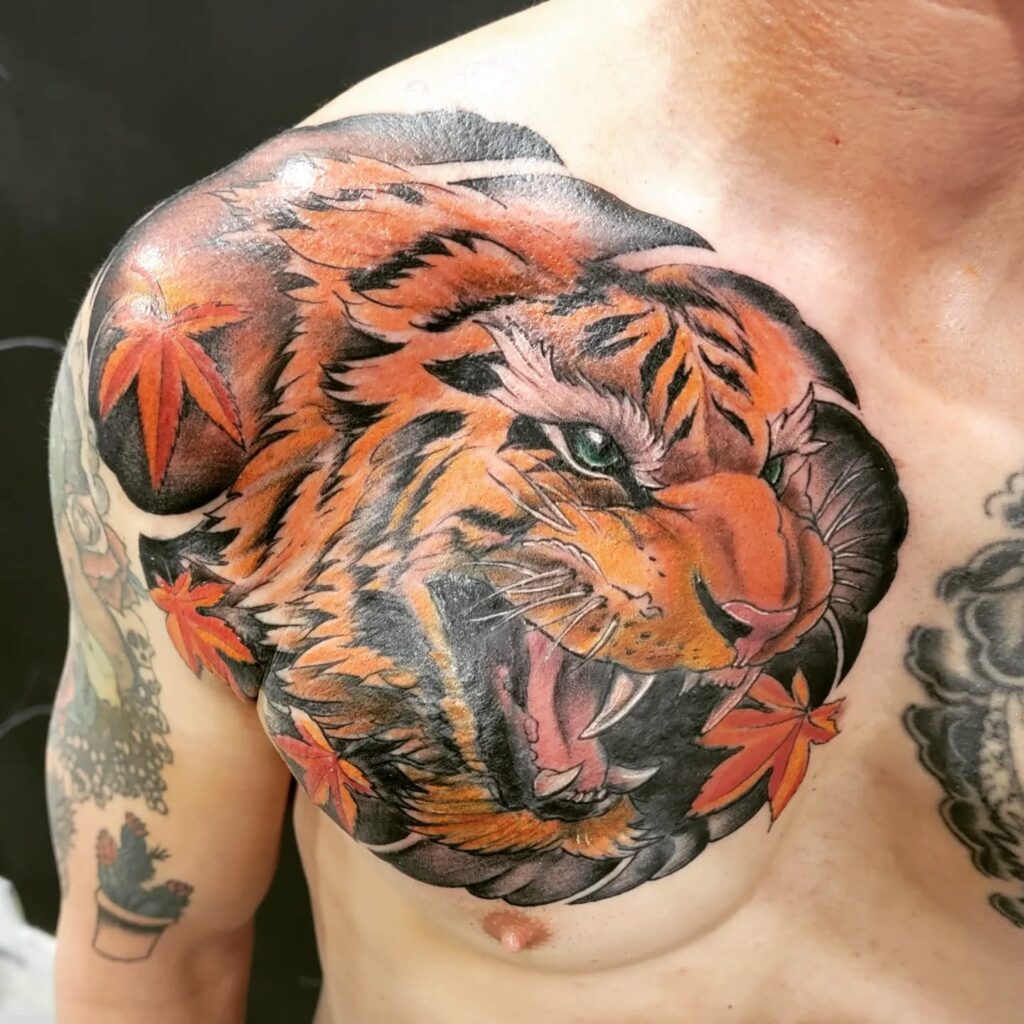
Highly symmetrical or geometric designs are among the hardest to use for cover-ups. Symmetry draws the eye to imperfections — and if the old tattoo is slightly asymmetric beneath a perfectly balanced new design, it will call attention to itself rather than disappear. Busy, flowing designs like botanical pieces, wildlife, landscapes, and abstract work tend to conceal far more effectively.
Designs that can incorporate or work with the existing lines — rather than fighting against them — also tend to produce stronger results. A skilled cover-up artist will look at your existing tattoo and find ways to use it as a foundation rather than treating it purely as an obstacle.
Cover-Up Tattoos Over Scarring
Tattooing over scar tissue is a separate and more complex conversation. Scars change the texture and behaviour of skin, which affects how ink is deposited and how it heals. According to a dermatologist and clinical instructor at the University of British Columbia, scar tissue reacts differently to needles and ink than unscarred skin, and there is a genuine risk that a tattoo over a scar may end up looking worse if the approach is not right.
That does not mean it cannot be done — it means it must be done carefully, by an artist with specific experience in scar work. Raised or keloidal scarring in particular requires a thoughtful design approach. Highly detailed or symmetrical work directly over raised scarring can emphasise the texture rather than conceal it. Flowing, organic designs that work with the contours of the body tend to produce the most natural results.
Scars also need to be fully healed before tattooing — which can take anywhere from one to two years depending on the individual.
How to Choose the Right Cover-Up Artist
Cover-up tattooing is a specialisation. Not every skilled tattoo artist is a skilled cover-up artist — they require a different set of instincts, a thorough understanding of colour theory and ink interaction, and the ability to design backwards from an existing piece rather than starting fresh.
When looking for a cover-up artist, review their portfolio specifically for healed cover-up work — not just fresh photos taken immediately after the session. Fresh tattoos can look deceptively clean; healed examples reveal whether the old design is truly invisible or still ghosting through.
Ask directly whether your existing tattoo will require laser fading first, how much larger the new design will need to be, and what design styles will work best given what you already have. A good artist will give you honest answers to all three questions.
Frequently Asked Questions
Can a cover-up tattoo completely hide the original?
In most cases, yes — when the cover-up is well designed and executed by an experienced artist. Very dark or heavily saturated tattoos may require laser fading first to achieve a truly clean result.
Does a cover-up tattoo hurt more than a regular tattoo?
It can. The artist is working over skin that already has ink deposited in it, which can make the area slightly more sensitive. Session length also tends to be longer for cover-ups, which adds to cumulative discomfort.
How much does a cover-up tattoo cost in Canada?
Cover-up tattoos typically cost more than new tattoos of a similar size, reflecting the additional planning, skill, and session time involved. If laser fading is also required, that is a separate cost to factor in. Always consult with your artist for an accurate quote based on your specific tattoo.
Do I have to go darker with a cover-up?
Not always, but often yes. Darker designs conceal more effectively. Laser fading before the cover-up is the most reliable way to open up lighter design options without sacrificing quality.
How long do I need to wait before covering up a new tattoo?
A tattoo needs to be fully healed before it can be covered — typically a minimum of several months, as surface healing and deep dermal healing happen on different timelines. Your artist will advise you based on your specific situation.