


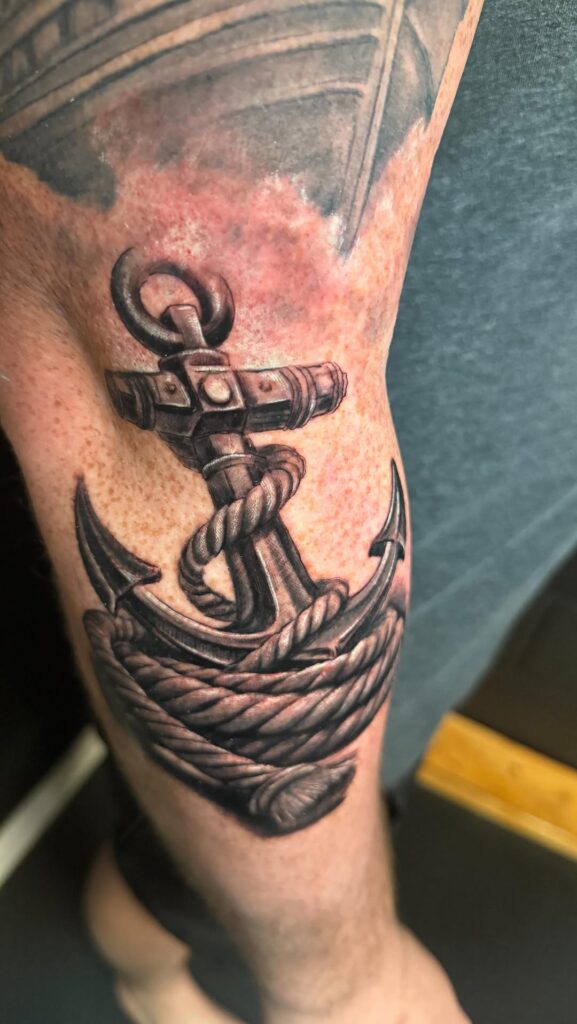
Choosing between black and grey realism and colour realism is one of the most important decisions you will make before getting tattooed. Both styles demand exceptional skill, both can produce stunning results — but they age differently, suit different skin tones, and work best for different subjects. This guide breaks down everything you need to know to make the right choice.
What Is Black and Grey Realism?
Black and grey realism uses only black ink, diluted into a range of grey tones to create depth, shadow, and dimension. There are no colours — just the interplay of light and dark. Done well, it produces work that looks almost like a photograph embedded in the skin. It is one of the most emotionally powerful styles in tattooing, and it has a long, respected history rooted in Chicano culture.
Best for: Portraits, wildlife, memorial pieces, and dark or atmospheric concepts.
What Is Colour Realism?
Colour realism uses a full palette of pigments to recreate something lifelike with stunning accuracy. Think a tiger with amber eyes, a hummingbird mid-flight, or a hyper-detailed floral piece bursting with saturation. The artist layers dozens of tones to build depth and make the subject look three-dimensional — essentially painting with ink directly on skin.
Best for: Animals defined by their colour, florals, pet portraits with distinctive markings, and vibrant fantasy or nature concepts.
Black and Grey vs Colour Realism: Key Differences at a Glance
| Feature | Black and Grey Realism | Colour Realism |
| Ink used | Black ink diluted to grey tones | Full pigment palette |
| Ageing | Ages gracefully, high durability | Requires more upkeep, fades faster |
| Skin tones | Works well across all skin tones | Best on lighter to medium skin tones |
| Session length | Typically shorter | Longer due to layering |
| Cost | Generally lower | Generally higher |
| Sun sensitivity | Lower | Higher — UV degrades colour pigments |
Which Tattoo Style Ages Better?
Black and grey realism has a significant longevity advantage. Black ink is chemically more stable than coloured pigments and holds up better as skin changes over the years. A well-executed piece will age gracefully — tones may soften slightly, but detail stays readable for decades.
Colour realism requires consistent aftercare to maintain its vibrancy. UV exposure is the biggest threat — sunlight breaks down colour pigments far faster than black ink, particularly lighter shades like pastels, yellows, and reds. Dermatologists recommend applying a broad-spectrum SPF 30+ sunscreen to tattooed skin every time you go outdoors, reapplied at least every two hours.
Canadian research adds another dimension to this. Scientists at Western University found that colour tattoo pigments contain significantly more chemical impurities than black ink — particularly blues, greens, and reds — including compounds that can break down or react within the skin over time. Ink quality matters, and it is a fair question to raise with your artist before your appointment.
How Does Skin Tone Affect Your Choice?
Skin tone is one of the most overlooked factors when choosing between these two styles — and one of the most important.
Black and Grey Realism on Different Skin Tones
Black and grey reads clearly across a wide range of skin tones. The contrast between dark ink and skin stays sharp regardless of melanin levels, making it a consistently strong choice for light, medium, and deeper skin tones alike.
Colour Realism on Different Skin Tones
Colour realism is more nuanced. Your skin tone acts as a filter over the ink — because pigment sits beneath the surface layer of skin, every colour is viewed through your natural complexion. On lighter skin, the full range of hues typically comes through. On medium and deeper skin tones, softer pigments — pastels, light pinks, pale yellows — can lose their identity after healing and look washed out.
That said, colour realism is absolutely achievable on deeper skin tones when the palette is chosen correctly. Warm, saturated tones — deep reds, teals, royal blues, and rich oranges — tend to hold beautifully. Always ask your artist to show you healed colour examples on skin similar to yours, not just fresh work straight off the needle.
Which Style Suits Your Subject Matter?
Choose Black and Grey Realism If You Want:
- A portrait of a person or pet where emotional depth matters most
- Wildlife subjects with powerful textures — wolves, eagles, lions
- A memorial tattoo with a quieter, more intimate feel
- Dark, moody, or atmospheric concepts
- A design that will hold its integrity for decades with minimal upkeep
Choose Colour Realism If You Want:
- An animal defined by its colour — kingfishers, koi, parrots, foxes
- Florals where saturation and vibrancy are the whole point
- A pet portrait where specific coat markings are essential
- Fantasy, surreal, or nature scenes that demand visual impact
- A headline piece that commands attention
Tattoo Ink Safety in Canada: What You Should Know
Regardless of which style you choose, it is worth understanding how tattoo ink is regulated in Canada. Tattoo inks are classified as cosmetics under the Food and Drugs Act, meaning there is no pre-market approval process — safety compliance rests primarily with the manufacturer.
Regulation varies significantly by province, and not every studio is held to the same standard. Before getting tattooed, confirm that your studio meets current hygiene requirements — including single-use sterile needles, disposable ink caps per client, and documented facility inspections.
This is not a reason to avoid getting tattooed. It is a reason to choose your studio carefully and ask the right questions.
Frequently Asked Questions
Is black and grey realism cheaper than colour realism?
Generally, yes. Colour realism sessions take longer, require more ink, and demand a higher level of technical expertise — all of which add to the cost. Be cautious of unusually low pricing for either style; in realism, the quality of the artist directly determines the quality of the result.
Can a colour realism tattoo be touched up after it fades?
Yes. Touch-ups are possible, though colour work is more involved to refresh than black and grey. Lighter pigments are the first to fade and may need more frequent attention, especially on areas with regular sun exposure.
Does colour realism hurt more than black and grey?
Pain depends primarily on placement rather than style. That said, colour realism sessions tend to run longer due to the layering process — cumulative discomfort increases the longer you are in the chair, regardless of the style being applied.
How do I find a realism tattoo artist in Canada?
Look specifically for an artist who specialises in realism — not one who lists it amongst a dozen other styles. Review their healed work, not just fresh photos. If you have a medium or deeper skin tone, ask to see healed colour examples on comparable skin before committing to a design or palette.
How do I care for a colour realism tattoo long-term?
Moisturise consistently with a water-based lotion — petroleum-based products can draw colour out of the skin over time. Sun protection is non-negotiable. Repeated UV exposure degrades colour pigments from the inside out, with lighter shades fading first. Apply SPF 30 or higher every time you are outdoors and reapply every two hours to keep your work looking its best.